
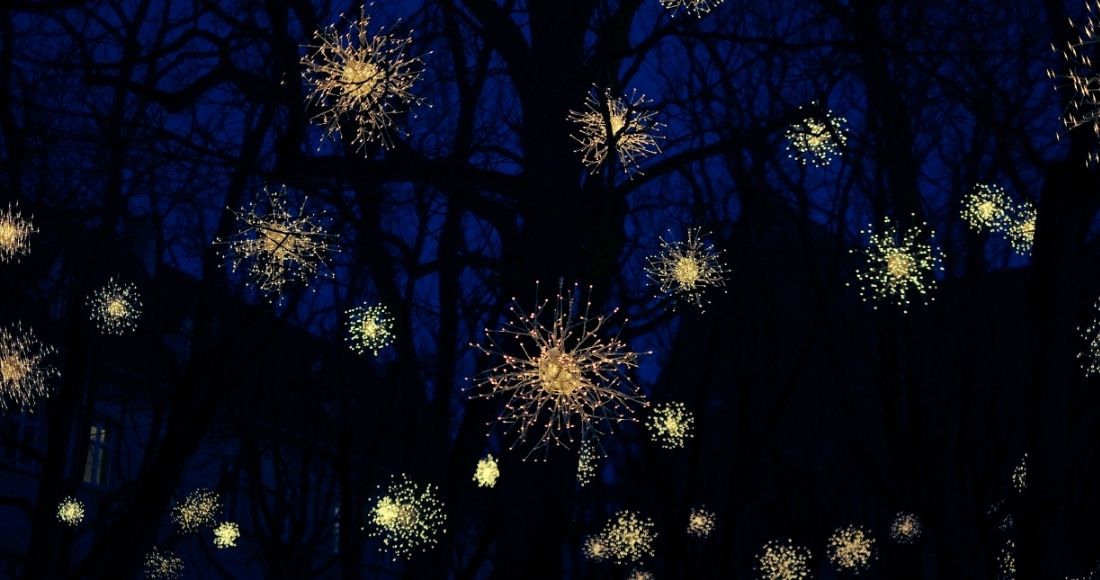
‘Tis the season… to go out and be dazzled by the night sky! (Writing this in June in Australia, the cold weather certainly makes it feel as festive as it could be in the northern hemisphere during Chrismastime at least.)
Below are some of the constellations that we thought would be perfect to catch during the season.
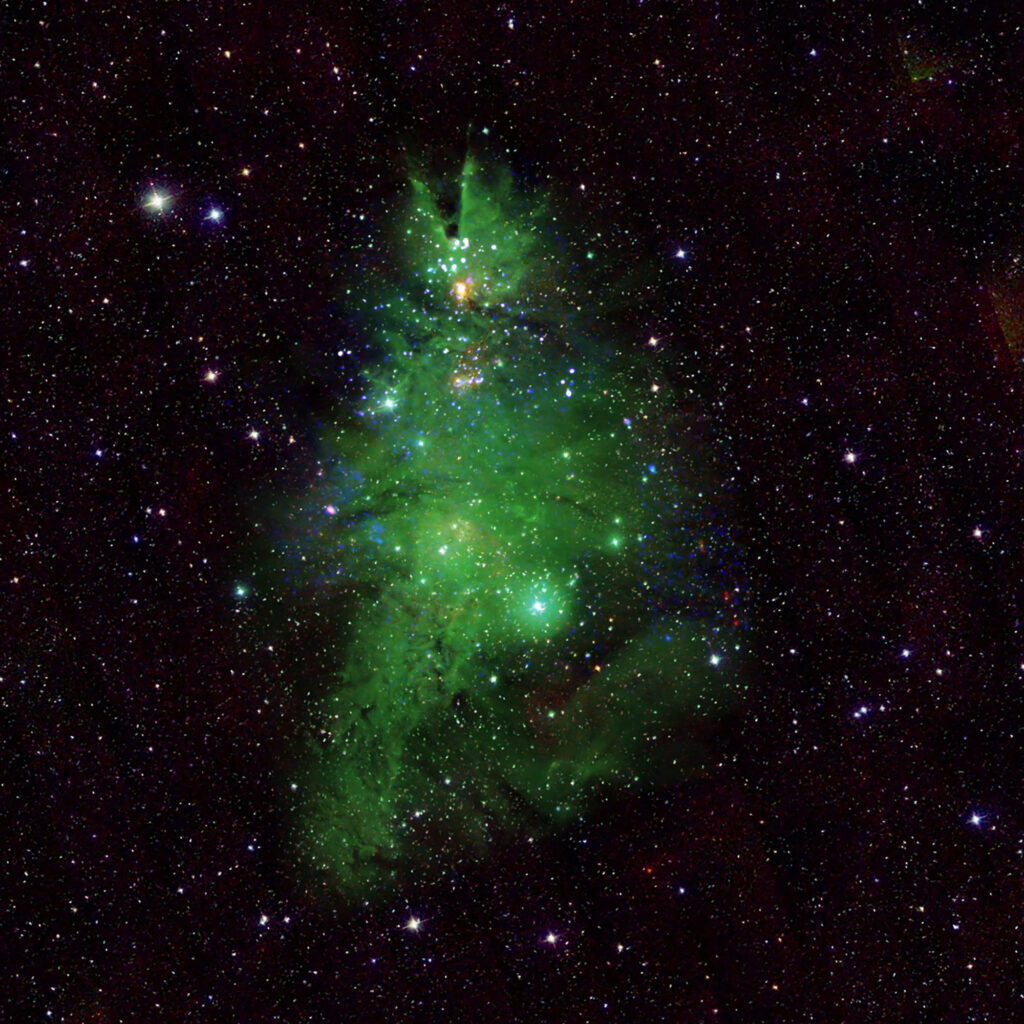
#1 Christmas Tree Cluster
No surprise that this is first on our list! It’s first on most people’s lists.
“The Christmas Tree Cluster was named for its triangular shape, formed by a cluster of very young stars, that looks like a tree in visible light. It is located in the northern part of NGC 2264, just above the Cone Nebula. The seventh magnitude member HD 47887 sits just above the tip of the Cone and the bright variable star S Monocerotis (15 Monocerotis) is located slightly to the north and marks the trunk of the Christmas tree. The apex of the tree is located at the Cone Nebula.”
Constellation: Monoceros
Right ascension: 06h 40m 58s
Declination: +09°53’42”
Apparent magnitude: 3.9
Distance: 2,600 light years
Designations: NGC 2264, LBN 911, SH 2-273, OCl 495, C 0638+099, LBN 202.92+02.18, CCABS 52, OCISM 108, MWSC 0954
As a bonus, you can also find the Snowflake Cluster within this nebula.
#2 The Star(s) of Bethlehem
Okay, so there isn’t really an agreed-upon Star of Bethlehem, but multiple sources cite Venus, Mars, Jupiter, or even Saturn as the most likely culprits – not stars at all! But they would have been the brightest objects in the sky and closely resemble stars when one doesn’t look too closely with binoculars or a telescope. So go forth and check out our neighbouring planets – you don’t even need a telescope for that.
Click here to read how ancient astronomers read the skies.
#3 Argo Navis – Noah’s Ark
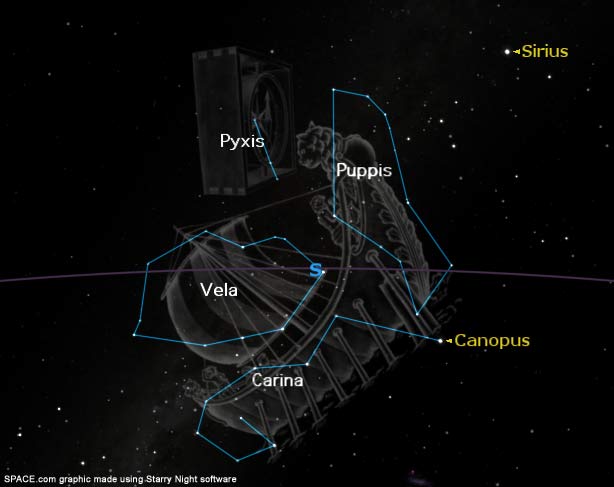
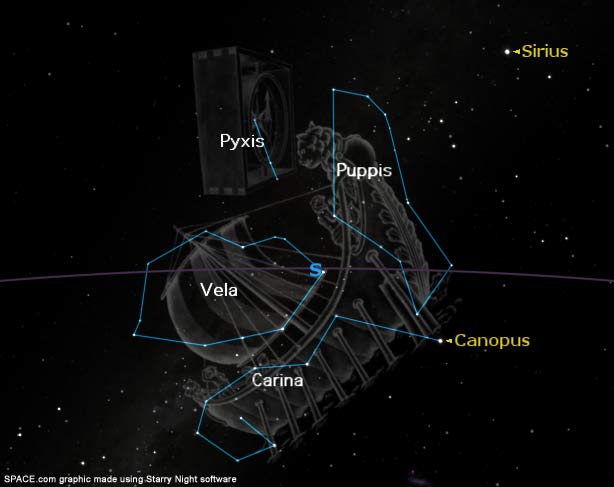
The constellation has since been split into three different constellations, but it’s been imagined as Noah’s Ark throughout the years. It’s located in the southern skies, so isn’t accessible to those above the equator.
The three constellations making up the Argo are Puppis the stern, Vela the sails, and Carina the keel. When viewed from Sydney, Australia, the constellation is upside down, with Canopus topping the constellation set.
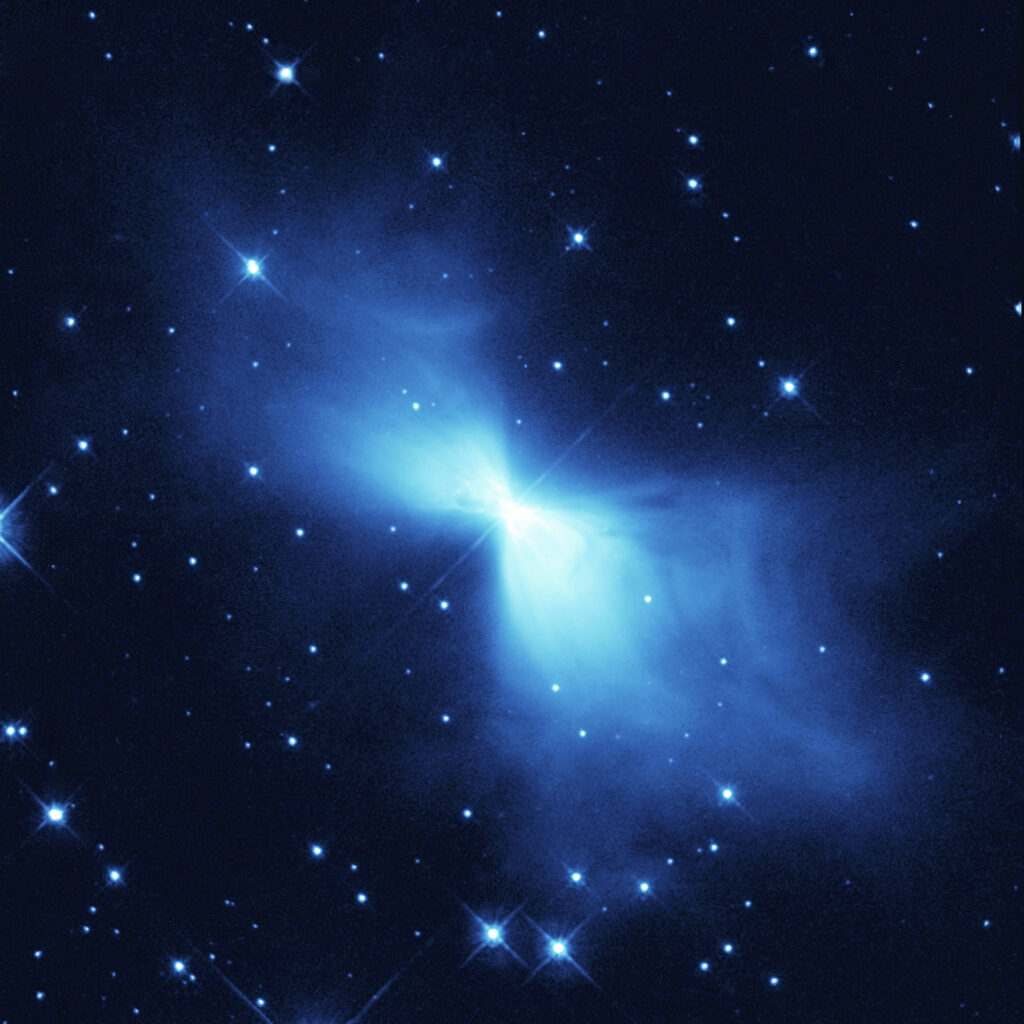
#4 Boomerang Nebula
This nebula earns its place on our list due to being the coldest known place in the universe (it has a temperature of only 1 K (-272.15°C or -458°F) – perfectly fitting the winter theme for northern hemisphere observers.
Constellation: Centaurus
Right ascension: 12h 44m 45.45s
Declination: -54°31’11.4”
Angular size: 1′.445 × 0′.724
Designations: Boomerang Nebula, PGC 3074547, Centaurus Bipolar Nebula
#5 Winter Hexagon
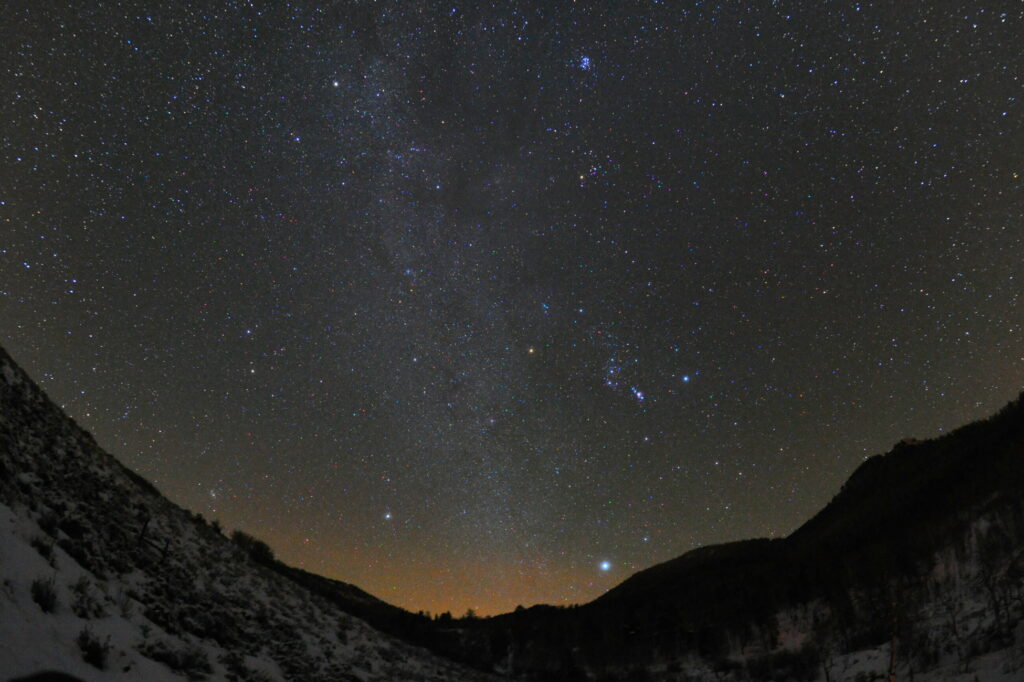
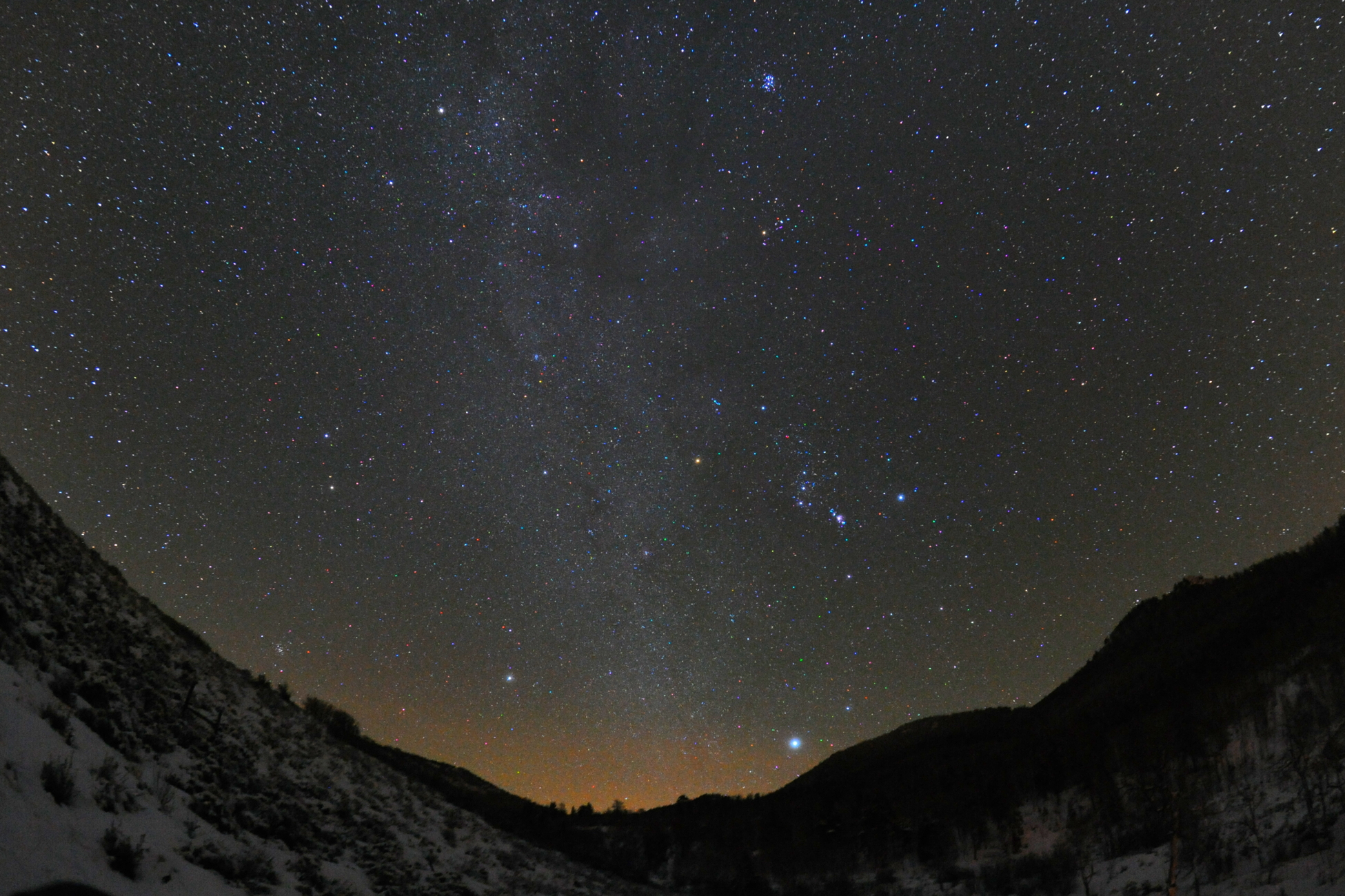
“The Winter Hexagon can be seen high in the sky between December and March in the northern hemisphere, with a band of the Milky Way running through the centre of the asterism. In southern latitudes, the asterism appears as the “summer hexagon” or “summer circle” and can be extended with Canopus in the southern constellation Carina, the second brightest star in the night sky.”
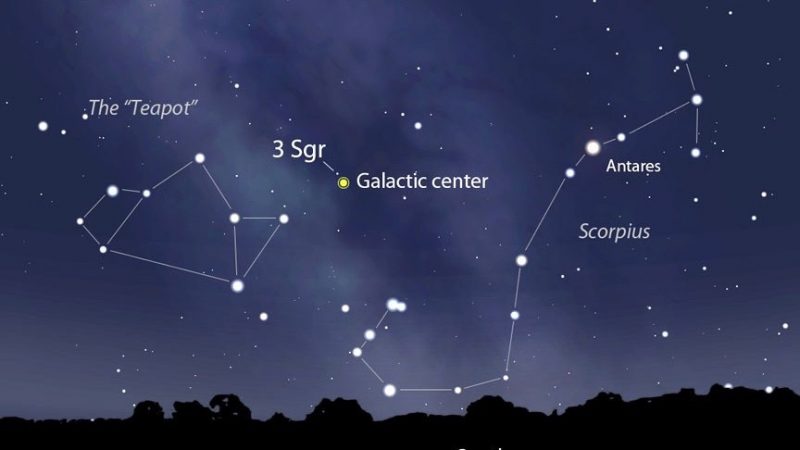
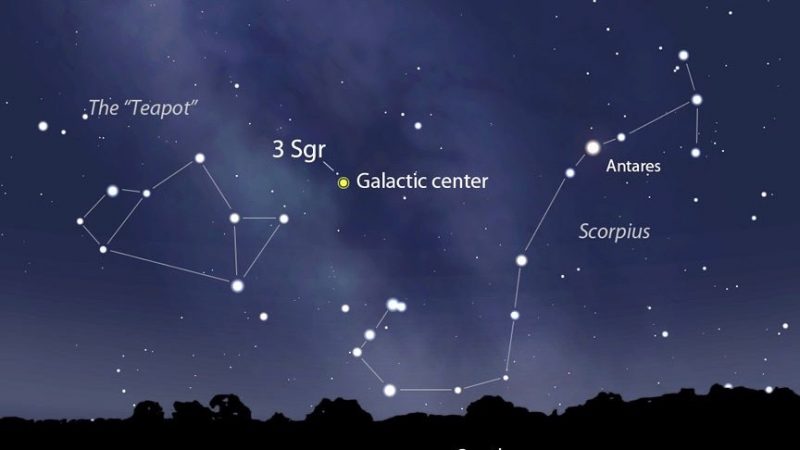
#6 Teapot Constellation
How does this relate to the holidays? There’s nothing better than a hot cup of a tea on a cold winter’s night. Not that we know anything about cold weather this time of year – and it’s quite ironic that this constellation is in the southern sky. Sorry to our readers stuck in colder climates! (Though northern hemisphere observers can see this constellation right now during the summer – June to August.)
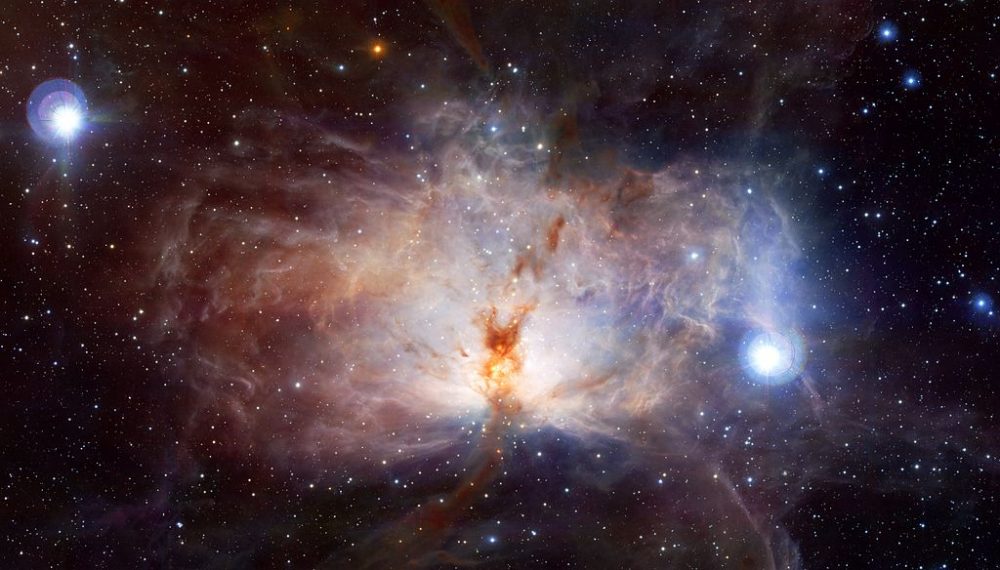
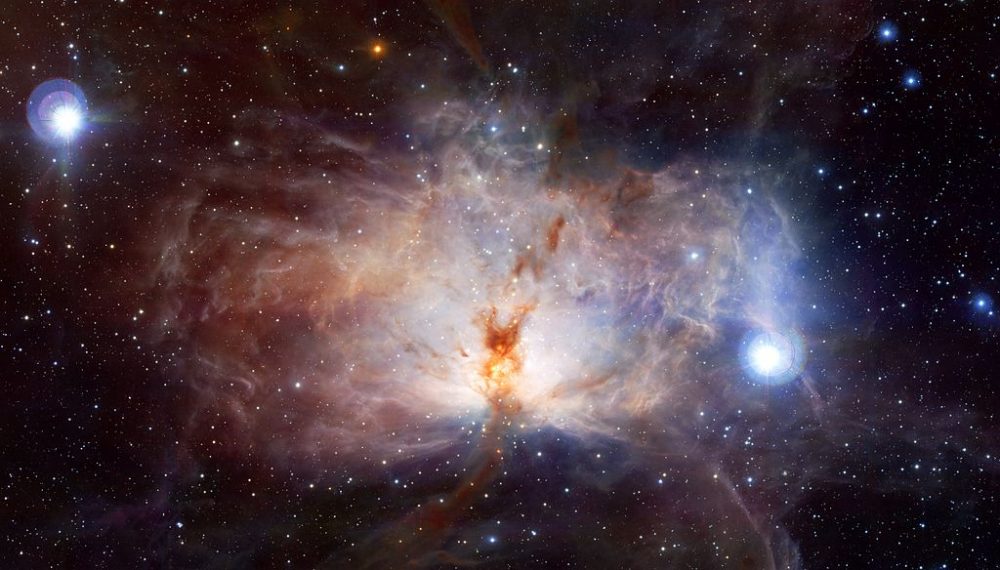
#7 Flame Nebula
We’ve lived in cold places, and we enjoyed the opportunity to curl up in front of a warm fire on chilly nights. Even in Australia, camping in central NSW in April is cold – a campfire kept us toasty. The flame nebula is one of the most beautiful (in our opinion!) and perfectly fitting the holiday theme of this post.
Constellation: Orion
Distance: 1,350 light years (415 parsecs)
Apparent magnitude: +2
Right ascension: 05h 41m 54s
Declination: -01°51’0.0”
Apparent size: 30′ x 30′
Designations: Flame Nebula, NGC 2024, Sharpless 277, W 12, LBN 953, PMN J0541-0154, SNR G206.5-16.4
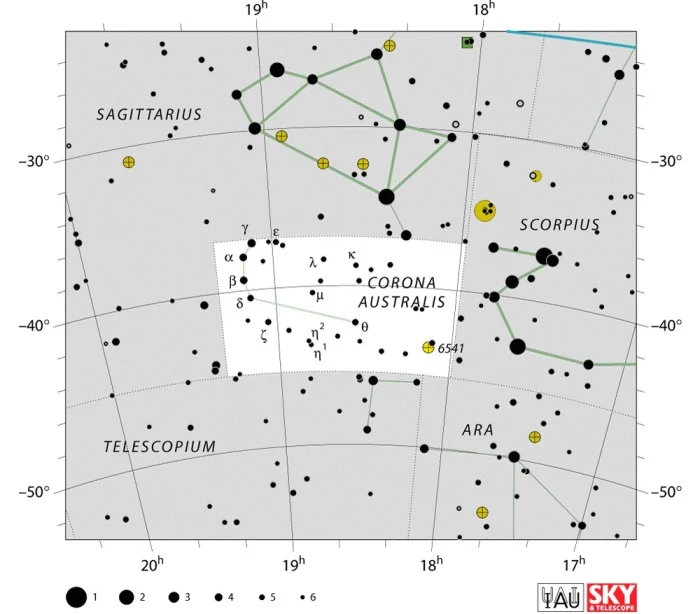
#8 Corona Australis
Pic via Southern Skies Photo http://www.southernskyphoto.com/constellations/images/corona_aus_o.jpg

Its name means “the southern crown” in Latin, fitting for the celebration of the birth of a king, as the story goes. Compared to other constellations, this one is pretty faint, but worth looking at nonetheless.
0 Comments for “Christmas-themed constellations”