
At a glance:
Being a beginner astronomer can be overwhelming, so we’re sharing 5 things that can help make approaching this hobby easier:
- You don’t need a telescope to start – a cheap pair of binoculars will do
- You don’t need to drive for hours to get a good view of the stars – just head to your backyard or balcony and turn off all the lights
- Size does matter in astronomy – but the best sized telescope for you is the one you’ll actually use
- You can use filters can improve your view – we discuss the 5 most popular ones
- You can try before you buy at your local astronomy club
Read on for the full blog:
When you start a hobby like astronomy, it can feel overwhelming. When there’s so much to look at (a whole sky full of stars and galaxies and nebulae!) and you see how others have dozens of scopes and tools, where’s a good starting spot for a beginner?
Luckily, you’ve already got all the tools you really need: your eyeballs. So anything extra is just icing on the cake. Well… kind of. A telescope would probably be something you’d want to get. But the best news? You actually don’t even need a telescope.
Let’s get into it:
1. You don’t need a telescope to get started
As a beginner astronomer, there’s a massive array of telescopes on the market and some of them are expensive. Like we said – it can be overwhelming trying to research the best one to buy.
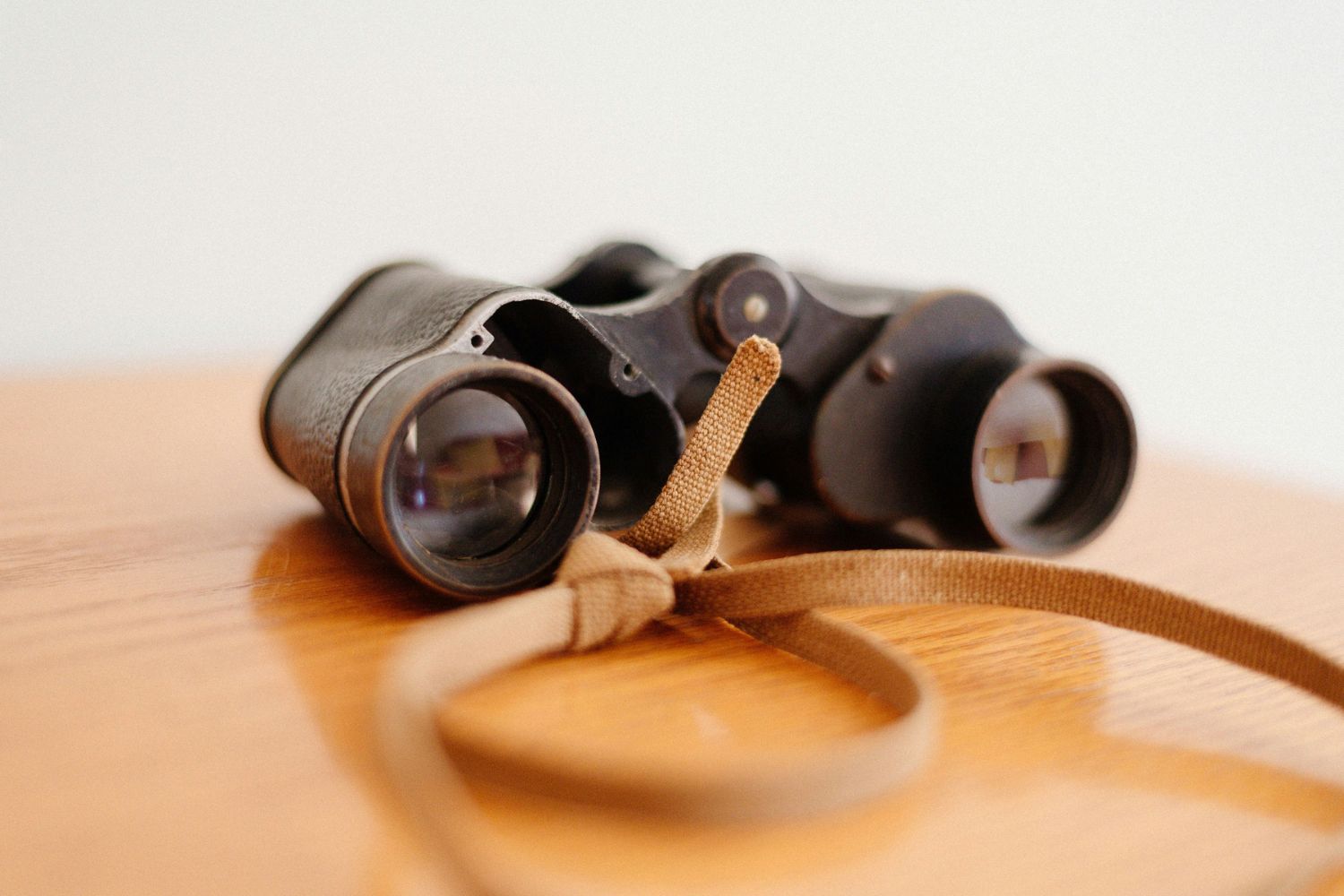
But the truth is, you don’t need to use a telescope to get a good view of the stars. You can use binoculars, and even the smallest ones can be extremely useful. They’re a great intro into amateur astronomy, and you don’t need to adjust several knobs and levers to use them.
So if all you’ve got is a pair of binoculars – we’d say you’re all set until you feel ready for something bigger.
2. You don’t need to go far to see the stars
Yes, light pollution is a big problem in cities – but it’s not going to stop you from observing. You can start in your own backyard or balcony, making sure to switch off all the lights that you can. You’d be surprised at what you can see when you do this.
The next best option is to go to your local park at night and find a dark area to observe in. Places like beaches, public golf courses, and sports fields can also be a great place to set your scope up – just make sure to check that you’re able to do this legally and safely.
3. Size does matter in astronomy
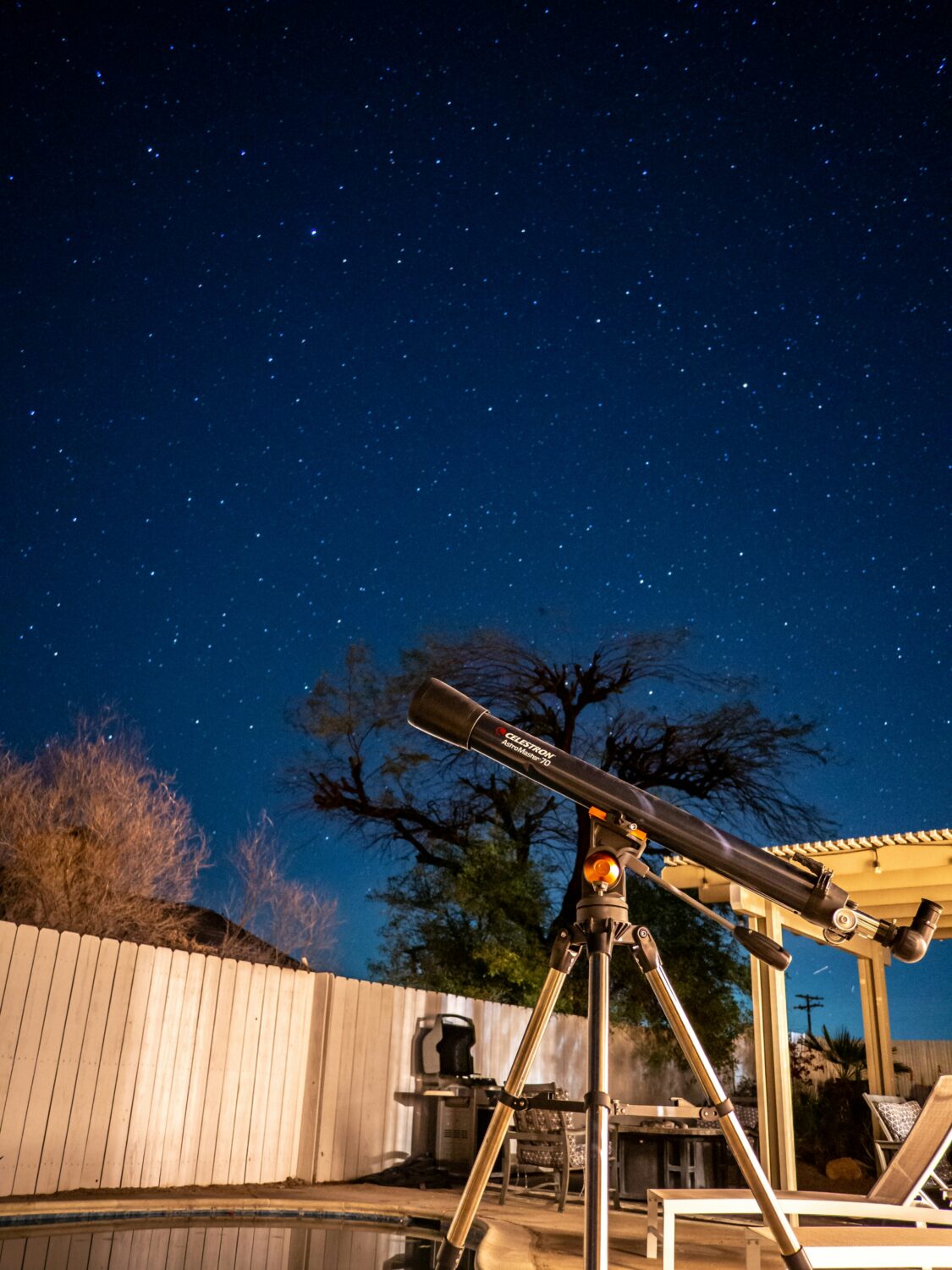
When it comes to telescopes, size does matter. But the truth is that the best size scope is the one that you’ll use.
Yes, the people with those massive 18” scopes that need their own trailer can get a great view, but how often are they able to take those scopes out, really? We know several people whose large scopes are gathering dust in their garages because they only get a chance to take them out once a year if they’re lucky.
4. Filters 101
Whilst not necessary to have, filters can improve the view from your telescope. What filters do is they let one or more narrow bands of light waves come through to the eye, and make all other bands of light dimmer, thus improving the contrast.
These are five popular filters you’ll come across:
- Light Pollution – as its name suggests, it helps improve the contrast when observing in a light polluted place
- UHC (ultra high contrast) – this filter is used on reflection, emission, and planetary nebulae
- OIII – the OIII filter is used mostly on planetary nebulae
- Polarising – this helps you observe the moon
- Solar – this includes both a cover for the objective lens of your telescope and an eyepiece filter. Never use a filter just for the eyepiece when you observe the sun
5. You can try before you buy
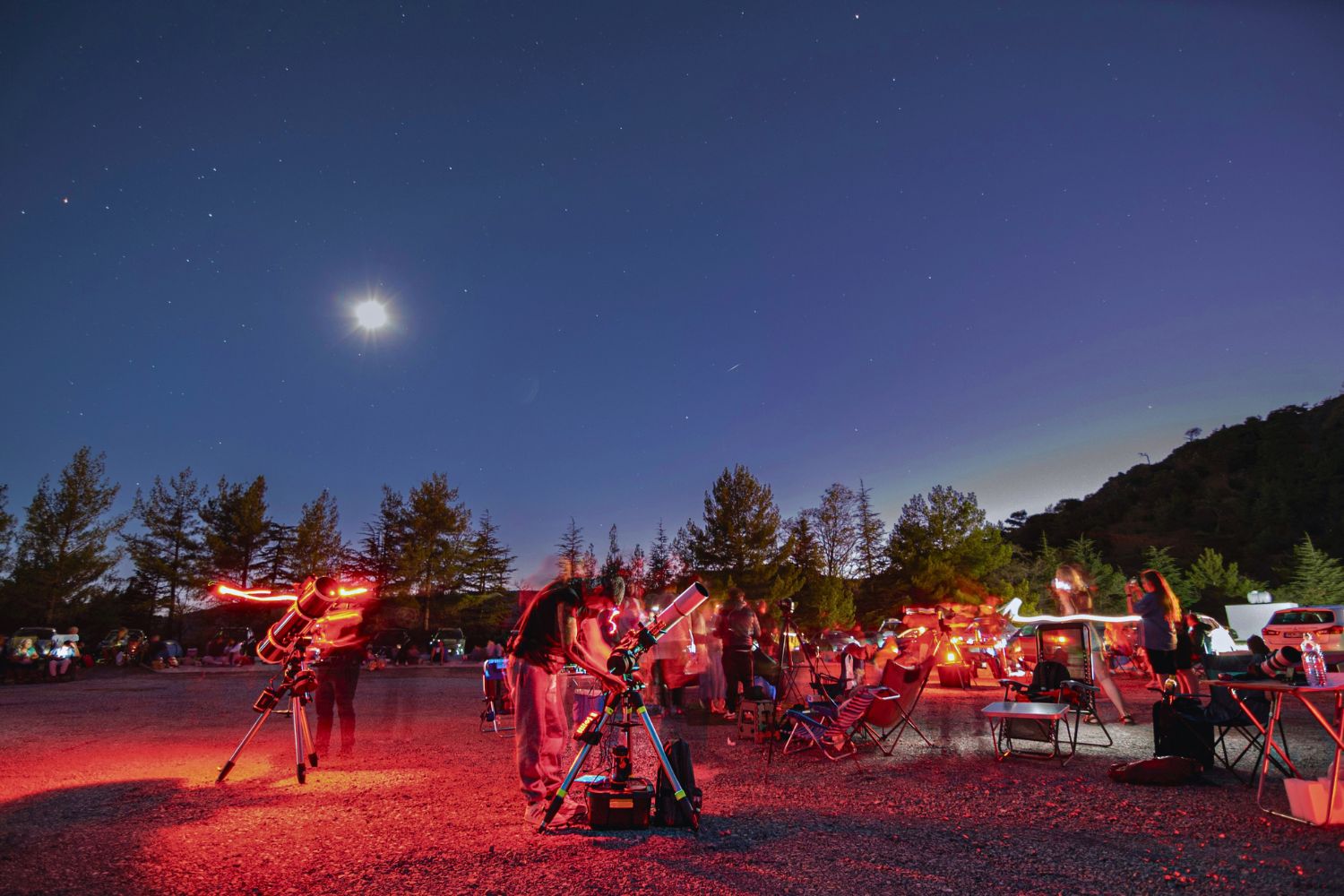
With so many telescopes and accessories on the market, a real worry is whether you’re going to make a good purchase or not. But it’s actually pretty easy to test these things out if you join your local astronomy club. Your local club has dozens of people that are usually happy to share and show off their set ups.
Some of the things you can have a look at include different eyepieces, digital setting circles that make it quicker and easier to find objects, and yes, even those big telescopes that you need a ladder for.
Bonus resource: Cloudy Nights
Cloudy Nights is a great starting place for beginner astronomers. We recommend bookmarking the abbreviations & acronyms thread to refer back to.
0 Comments for “5 things every beginner astronomer should know”